Compact
GuardEye X1
12inputs
A compact alarm and monitoring controller focused on SMS-based operation with zero cloud dependency.
- GSM and SMS
- Local operation
- No cloud dependency

A smart alarm system that grew into an infrastructure monitoring platform. GuardEye watches physical and technical infrastructure and detects abnormal conditions before they become losses. It is designed for environments where connectivity is unreliable, so critical alarms always arrive.
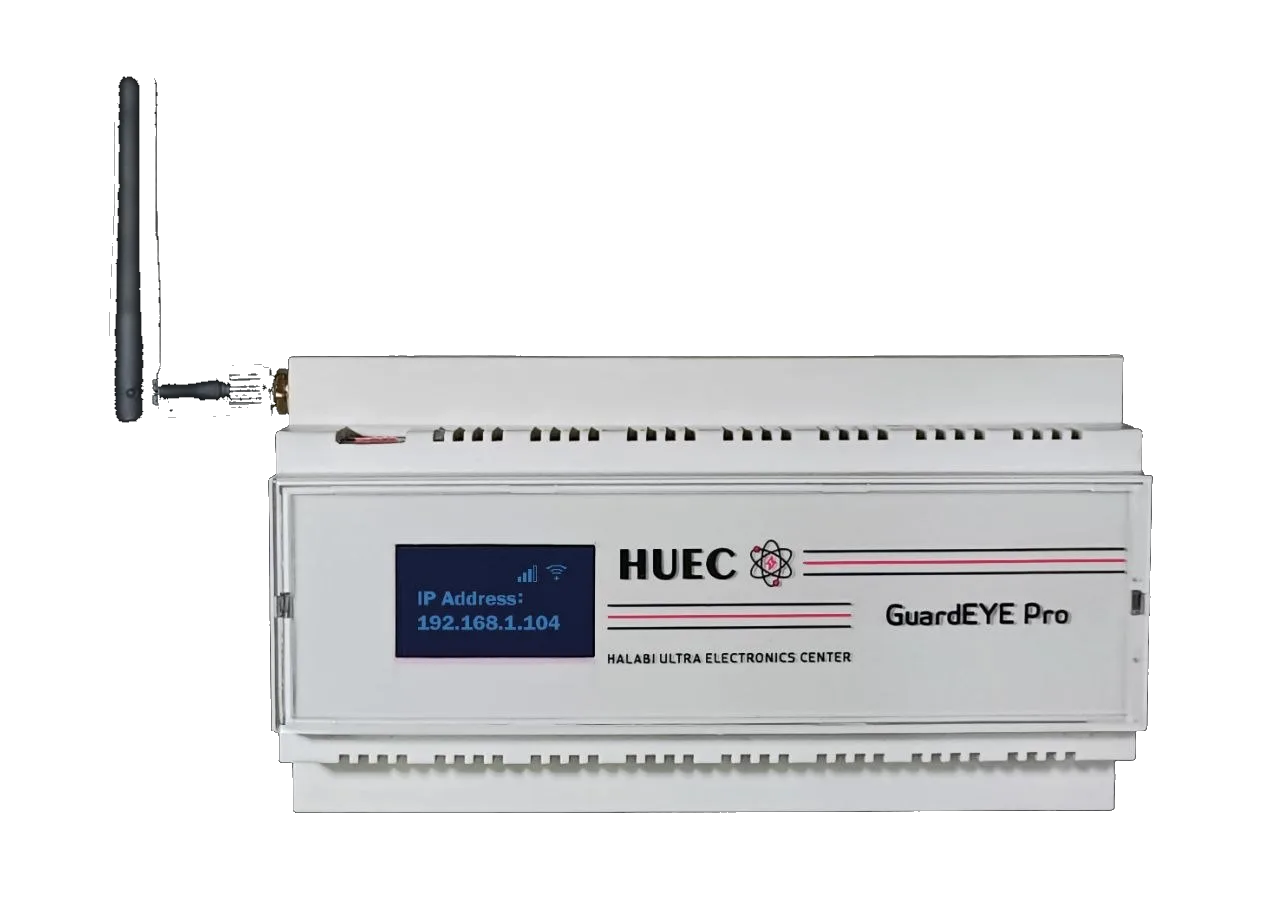
A compact alarm and monitoring controller focused on SMS-based operation with zero cloud dependency.
An expanded hardware platform with more inputs and broader sensor support while keeping GSM and local processing.
The full architecture: 22 inputs, cloud communication, web interface, mobile app, and camera integration with SMS fallback.
| Feature | X1 | X2 | X2 Pro |
|---|---|---|---|
| Inputs | 12 | 22 | 22 |
| GSM / SMS | Yes | Yes | Yes |
| Internet / cloud | No | No | Yes |
| Web interface | No | No | Yes |
| Mobile application | No | No | Yes |
| Camera integration | No | No | Yes |
| LoRa / Meshtastic | Optional | Optional | Yes |
GSM, GPRS, and SMS. SMS keeps critical alarms flowing even with no internet at the site.
Wi-Fi, Ethernet, MQTT, and cloud communication, depending on the model.
Long-range, low-power mesh networking for remote sites and areas without conventional connectivity.
HUEC systems are not built on the assumption that the internet is always available. When connectivity drops, GuardEye keeps processing, storing, and alerting locally, then synchronizes everything once the link returns.
Normal operation over internet to cloud
Connectivity drops: local processing and storage take over
Critical alarms delivered by SMS
Connectivity returns: stored events synchronize to the central database

Temperature, power, equipment state, network utilization, intrusion, smoke, and water, combined into abnormal-condition rules that raise real alerts.
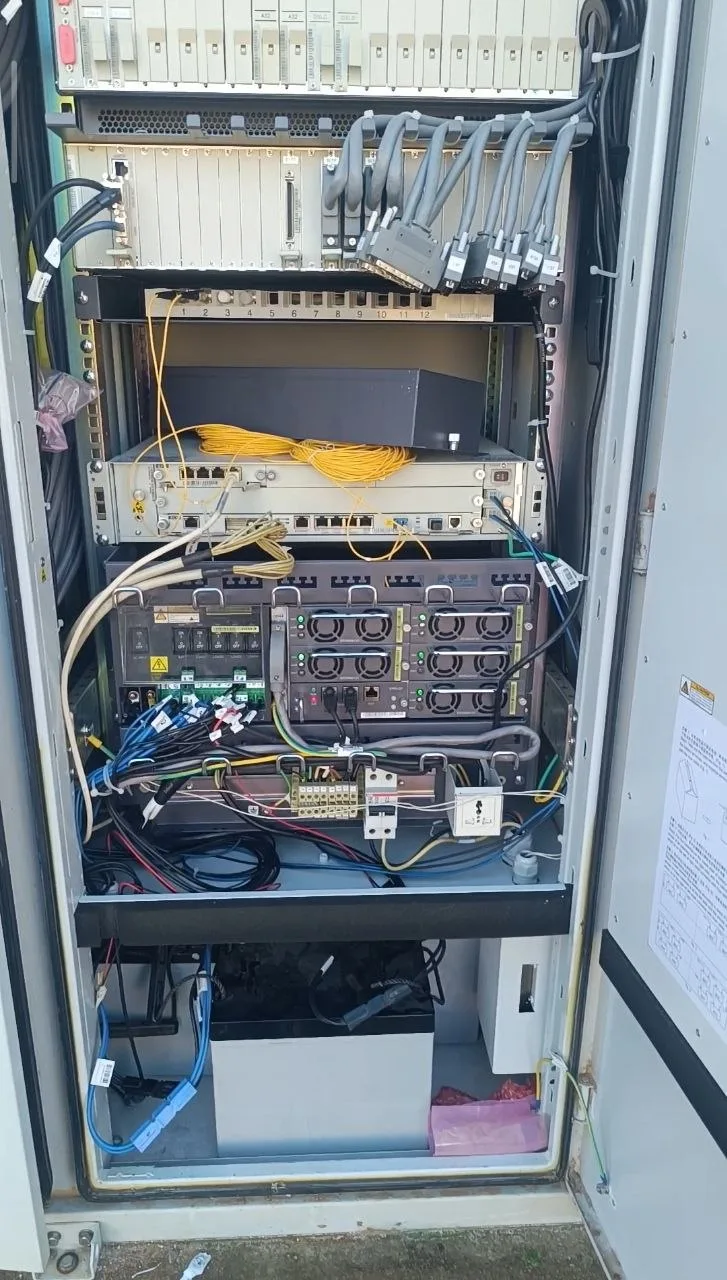
Cabinets, rectifiers, batteries, generators, fuel, and site security, with centralized visibility across geographically distributed sites.

Frequent fuel measurements, generator operation patterns, and offline storage that reveals abnormal consumption and potential leakage.